The UK Warm Homes Plan: What It Means for Your Home, Energy Bills and Upgrades
The Warm Homes Plan boosts grants, VAT relief and loans for home energy upgrades.

.jpg)

The UK government has set out its Warm Homes Plan, a long-term programme designed to cut energy bills, improve comfort, and accelerate the move to cleaner, electric-powered homes. Backed by £15 billion of public investment, the Plan aims to support around five million home upgrades by 2030.
For homeowners, the Plan brings clarity on grants, VAT relief, finance options, and the direction of travel for home energy improvements. This article breaks down what’s included, what isn’t, and what it means in practical terms.
What Is the Warm Homes Plan?
The Warm Homes Plan is the government’s largest-ever investment in improving the energy performance of UK homes. Its goals are to reduce household energy bills, improve living standards, and support the shift to low-carbon heating and electricity.
Support under the Plan covers homeowners, private renters and social housing tenants. For homeowners, this includes a mix of grants, zero or low-interest finance, VAT relief on energy-saving measures, and stronger standards for rental properties.
0% VAT on Energy-Saving Measures: What’s Included
The Warm Homes Plan confirms that the temporary 0% VAT rate on energy-saving materials will continue until 31 March 2027. While this relief is not new, its extension gives homeowners and landlords certainty when planning upgrades.
The 0% VAT rate applies to the supply and installation of several key technologies in residential properties, including:
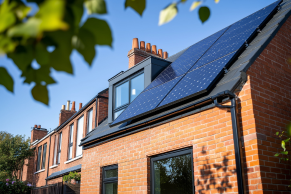
- Solar panels
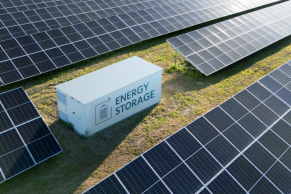
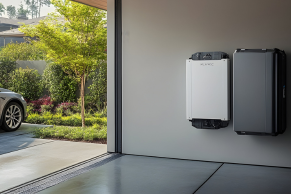
- Electrical battery storage
- Air source, ground source and water source heat pumps
- Associated equipment, such as hot water tanks
- Biomass boilers for whole-house heating and hot water
Removing VAT can make a meaningful difference to upfront costs, particularly where multiple technologies are installed together.
The Boiler Upgrade Scheme: Continued and Expanded Support
The Boiler Upgrade Scheme remains a central part of the Warm Homes Plan and has been confirmed with expanded funding through to 2030.
Key points homeowners should know:
- £2.7 billion has been allocated to the scheme through to 2030
- Grants of £7,500 are available for hydronic heat pump installations
- New £2,500 grants are being introduced for air-to-air heat pumps and heat batteries
- The scheme applies to eligible properties in England and Wales
The Plan also confirms changes designed to reduce friction, including removing the requirement to obtain a new Energy Performance Certificate specifically for the scheme and relaxing planning rules for air source heat pumps.
The Warm Homes Fund and Low-Interest Loans
Supporting many of the measures in the Plan is the new £5 billion Warm Homes Fund, which acts as the financial backbone for home upgrades.
Of this:
- £1.7 billion is allocated to low and zero-interest consumer loans
- Loans can be used for solar panels, battery storage, heat pumps, or combined upgrades
- Loans can be used alongside the Boiler Upgrade Scheme to reduce upfront costs further
The intention is to make upgrades achievable without requiring households to pay the full cost upfront, while keeping the process straightforward and accessible over time.
For homeowners, this opens up more flexible ways to plan staged or whole-home improvements.
What This Means in Practice for Bills and Comfort
The Warm Homes Plan includes modelling that shows how different upgrades can reduce annual energy bills. Examples include:
- Homes combining solar panels and batteries, saving up to £450 per year
- Heat pump installations supported by grants, reducing annual bills by around £130
- Larger savings for households using electric heating and storage
While results vary by property, the overall message is clear. Combining technologies and planning upgrades together delivers better long-term outcomes than tackling measures in isolation.
What Homeowners Should Take Away
What this means in practice is:
- VAT relief, grants and finance can significantly reduce upfront costs
- Heat pumps, solar and batteries are all actively supported
- Early planning helps avoid rework and unnecessary expense
The Warm Homes Plan sets a clear direction. Homes are moving toward electrification, cleaner heating and smarter energy use, supported by long-term policy rather than short-term incentives.
How Voltari Supports Home Energy Upgrades
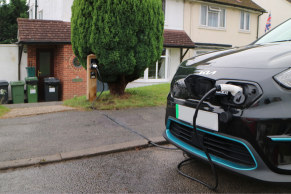
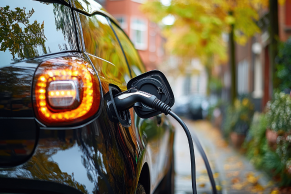
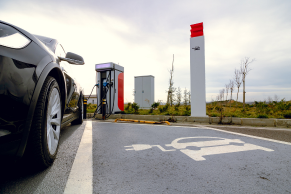
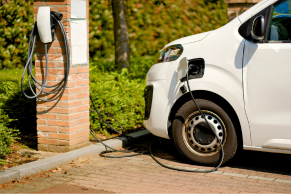
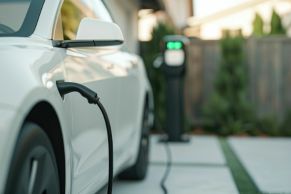
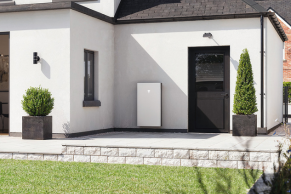
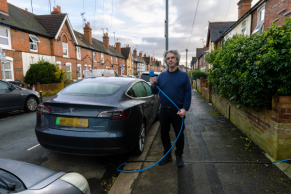
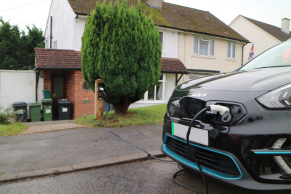
At Voltari, we support homeowners and landlords with the electrical side of home energy upgrades. That includes solar panels, battery storage, EV charging and the electrical infrastructure required for heat pumps.
Our role is to help ensure systems are designed properly, installed safely, and set up to work together, both now and as homes continue to evolve.
Source: UK Government, Warm Homes Plan
our Articles
Stay informed with our latest articles, including our professional insights, industry trends and developments, and practical tips.
Check out our articles below and stay clued up with Voltari’s ongoing commitment to a sustainable future.
.png)
.png)
.png)

.png)





























Contact Us
For more information about any of our services, to talk through your requirements or to get a quote, get in touch - we'd love to hear from you!




%20(1)%20(1)%20(1)%20(1)%20(1)%20(1)%20(1)%20(1)%20(1)%20(1).png)
