When Should Homeowners Get Their Electrics Checked?
When to check your home’s electrics and why inspections help prevent hidden faults.

.jpg)

Many electrical problems in the home develop quietly, out of sight and out of mind. Wiring sits behind walls, under floors, and inside fittings, so issues often build up long before anything obvious goes wrong.
For homeowners, knowing when to get electrics checked can feel unclear. This blog explains when a professional electrical check is worth considering, what it involves, and why it can be an important part of keeping your home safe.
When a Professional Electrical Check Is Worth Considering
Homeowners are not legally required to have regular electrical inspections in the same way landlords are. That said, professional checks are widely recommended as good practice, particularly in certain situations.
It is worth considering a professional electrical check if:
- Your home has not been inspected in many years
- You are buying or selling a property
- You have recently carried out major renovation work
- Your home is older and still has original wiring or fittings
- You have noticed warning signs such as flickering lights or frequent tripping
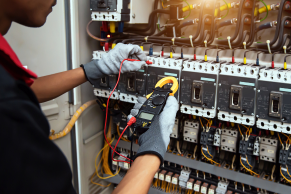
These checks help identify issues that cannot be spotted through visual checks alone.
Are Electrical Installation Condition Reports Mandatory for Homeowners?
Electrical Installation Condition Reports, often referred to as EICRs, are not mandatory for owner-occupied homes. They are a legal requirement for landlords, but homeowners are not under the same obligation.
However, many homeowners choose to have an EICR carried out for reassurance. It provides a clear picture of the condition of your electrical installation and highlights any areas that may need attention now or in the future.
Think of it as a health check for your home’s electrics rather than a compliance exercise.
Why Professional Electrical Checks Matter
Electrical faults often develop slowly. By the time a problem becomes visible, such as a burning smell or repeated power cuts, damage may already be present.
Professional checks help:
- Identify hidden faults early
- Reduce the risk of fire and electric shock
- Avoid unexpected power failures
- Prevent more costly repairs later
They also provide confidence that your electrical system is safe, suitable for everyday use, and capable of supporting your household’s needs.
Electrical Upgrades and Modern Demand
Modern homes place far greater demands on electrical systems than they did in the past. Adding new technologies can increase strain on existing wiring, particularly in older properties.
This is especially relevant when installing:
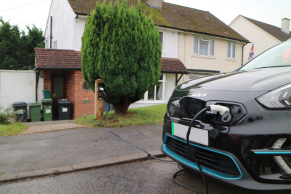
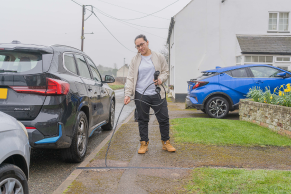
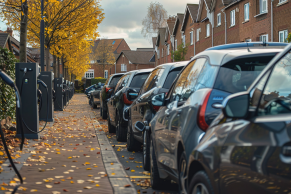
- Electric vehicle chargers
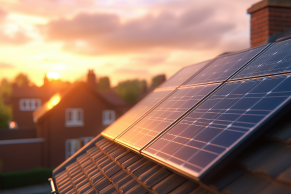
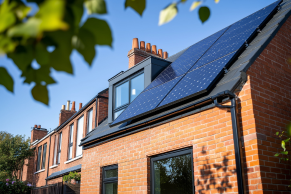
- Solar panels and battery storage
- Electric showers
- Smart home systems
Before adding new electrical loads, it is often sensible to check that your existing system can support them safely. In some cases, upgrades or rewiring may be needed to avoid future issues.
Understanding Electrical Safety Rules at Home
Certain types of electrical work must be carried out by a qualified electrician under Building Regulations Part P. These rules exist to protect homeowners and ensure work is completed safely.
DIY electrical work can be dangerous if done incorrectly. Even small mistakes can create long-term risks that are not immediately obvious. Knowing when to involve a professional is a key part of responsible home maintenance.
Get the Right Advice for Your Home
If you are unsure about the condition of your electrics, getting advice early can prevent problems later.
At Voltari, we support homeowners with electrical checks, home rewires, and general domestic electrical work. We also advise on electrical upgrades where homes are adding new demand.
If you would like professional advice or want to discuss whether an electrical check is right for your home, speak to our team today.
our Articles
Stay informed with our latest articles, including our professional insights, industry trends and developments, and practical tips.
Check out our articles below and stay clued up with Voltari’s ongoing commitment to a sustainable future.
.png)
.png)
.png)

.png)





























Contact Us
For more information about any of our services, to talk through your requirements or to get a quote, get in touch - we'd love to hear from you!




%20(1)%20(1)%20(1)%20(1)%20(1)%20(1)%20(1)%20(1)%20(1)%20(1).png)
