The UK Energy Storage Landscape in 2026: How Power Is Being Used Smarter
Energy storage is helping homes, businesses, and the grid use electricity smarter in 2026.
.jpg)

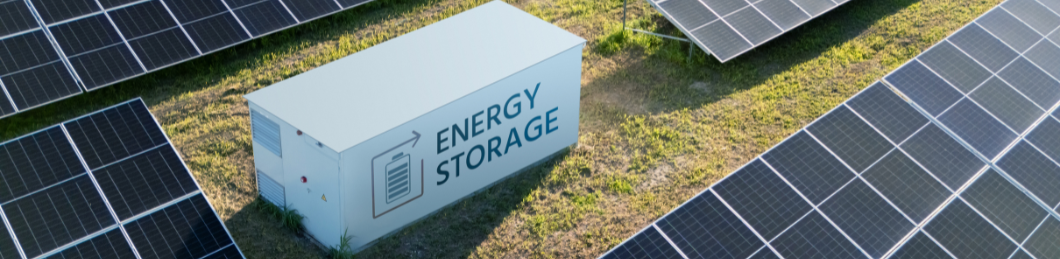
Energy storage is becoming a central part of how electricity is generated, managed, and consumed across the UK. As renewable generation increases and electricity demand continues to rise, the ability to store power and use it at the right time is no longer a nice-to-have. In 2026, energy storage plays a critical role in supporting homes, businesses, and the wider electricity network.
From battery systems supporting the national grid to smaller installations in homes and commercial buildings, storage is helping balance supply and demand while improving resilience and flexibility. Understanding how the energy storage landscape is developing helps homeowners and businesses make informed decisions as they plan for electrification.
Why Energy Storage Matters In the UK Today
The UK energy system is under growing pressure. Electricity demand is increasing as heating and transport shift away from fossil fuels, while wind and solar generation continue to expand. These changes mean electricity is not always generated when it is needed most.
Energy storage helps address this challenge by allowing excess electricity to be stored and used later. In 2026, storage is no longer confined to large grid-scale projects. It is increasingly relevant at a local level, supporting homes and businesses that want more control over how and when electricity is used.
What Energy Storage Means In Practice
Energy storage allows electricity to be stored rather than used immediately. This is especially important in a system that relies more heavily on renewable generation, where output can vary depending on weather conditions.
In the UK, energy storage broadly falls into three categories:
- Grid-scale energy storage
Large battery systems that support the National Energy System Operator (NESO) by helping balance supply and demand across the electricity network. These systems absorb excess renewable generation and release power when demand is higher. - Commercial and industrial energy storage
Battery systems installed at business sites to help manage peak electricity use, reduce demand charges, and work around grid capacity constraints. These systems often support on-site renewables and EV charging. - Domestic battery storage
Smaller systems installed in homes that allow households to store solar energy or take advantage of off-peak electricity tariffs, improving control over when electricity is used.
The growth of storage has been driven by several factors. The NESO has highlighted the need for flexibility as renewable generation increases. Ofgem continues to encourage smarter use of electricity to reduce strain on networks. Time-of-use tariffs have also become more widely available, improving the case for storage.
What This Means For Homeowners Today
For homeowners, energy storage is becoming a natural extension of solar panels and EV charging. A home battery allows surplus solar generation to be used later in the day rather than exported back to the grid. Home batteries can also be charged overnight at lower rates to help manage the cost of increased electricity demand during the day, which is becoming increasingly important as demand increases for technologies such as heat pumps.
Resilience is another important consideration. While most domestic systems are not designed to provide full backup power, stored energy can help reduce disruption during short outages or periods of grid stress.
How Businesses Are Using Energy Storage
For businesses, energy storage is often focused on cost management and site capacity. Battery systems can reduce peak demand charges by supplying power during periods of high usage. They also support workplace EV charging and on-site renewable generation without requiring immediate grid upgrades.
Storage is increasingly being included in wider electrification plans, particularly in sectors where reliability and operational continuity are critical.
Planning Energy Storage Properly
Energy storage works best when it is considered early in a project. Whether for a home or a commercial site, understanding current electricity use, future demand, and grid limitations is essential.
Battery systems must be correctly sized, safely installed, and fully integrated with existing electrical infrastructure. Compliance and technical competence are critical, particularly where high-power systems are involved.
A Core Part of the UK’s Energy System
Energy storage is no longer about preparing for a distant future. It reflects how electricity is already being generated and used across the UK today. For homeowners and businesses, thoughtful planning is key to ensuring storage genuinely supports everyday energy needs.
Thinking About Energy Storage For Your Home Or Business?
Whether you’re planning solar panels, EV charging, or a wider electrification project, energy storage works best when it’s designed as part of the bigger picture.
At Voltari, we help homeowners and businesses assess their energy use, understand grid constraints, and plan battery storage systems that are safe, compliant, and built around how you actually use electricity.
If you’re considering energy storage or want to understand whether it’s right for your site, speak to our team for clear, practical advice.
our Articles
Stay informed with our latest articles, including our professional insights, industry trends and developments, and practical tips.
Check out our articles below and stay clued up with Voltari’s ongoing commitment to a sustainable future.
.png)
.png)
.png)

.png)
























Contact Us
For more information about any of our services, to talk through your requirements or to get a quote, get in touch - we'd love to hear from you!




%20(1)%20(1)%20(1)%20(1)%20(1)%20(1)%20(1)%20(1)%20(1)%20(1).png)
