Why EICRs Matter for Businesses: Safety, Responsibility and Professional Standards
EICRs help businesses manage electrical risk, meet duties, and protect people.
.jpg)

Electrical safety is not something most businesses think about day to day. If the lights work, equipment runs, and there are no obvious faults, it is easy to assume everything is fine. But many electrical risks develop quietly, behind walls, above ceilings, or inside distribution boards. This is where Electrical Installation Condition Reports, known as EICRs, play a critical role.
For many organisations, EICRs are still misunderstood. They are often seen as something only landlords need, or as a one-off compliance task that can be filed away once marked as “passed”. In reality, EICRs are a key part of protecting people, safeguarding reputation, and demonstrating professional responsibility.
Why EICRs Are a Business Responsibility
Every business has a duty to ensure its electrical systems are safe. This applies whether you operate an office, a retail space, a warehouse, a school, or a mixed-use building. Electrical systems support almost every aspect of modern work, from IT and lighting to heating, security, and specialist equipment.
Under the Electricity at Work Regulations 1989 and the Health and Safety at Work etc. Act 1974, employers must take reasonable steps to prevent danger from electrical systems. An EICR is one of the most effective ways to meet this obligation. It provides an independent assessment of whether electrical installations are safe for continued use.
A common misconception is that EICRs are only relevant to rented residential properties. While landlords do have specific duties, businesses also have clear responsibilities. If an electrical fault causes injury, fire, or disruption, the consequences can be severe. Investigations will often look at whether inspections were carried out, whether issues were understood, and whether appropriate action was taken.
What an EICR Actually Tells You
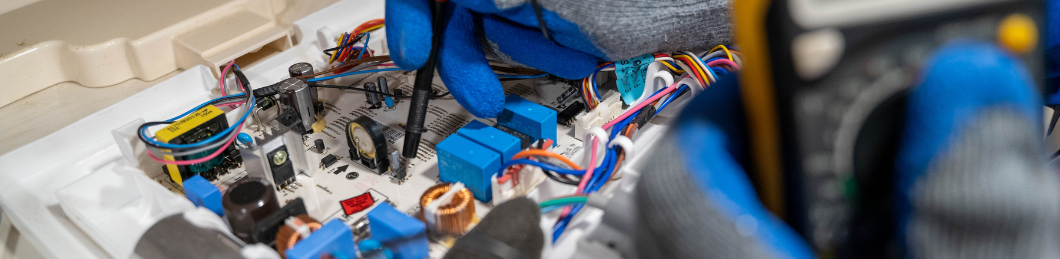
An EICR is a detailed inspection and testing process carried out by a qualified electrician. Its purpose is to assess the condition of fixed electrical installations and identify anything that could present a risk.
This includes:
- The integrity of wiring and connections
- The suitability of protective devices
- Signs of wear, damage, or overheating
- Compliance with current safety standards where relevant
EICRs use observation codes to classify issues. Understanding these codes is essential, yet many businesses are unclear on what they mean.
- C1 indicates immediate danger and requires urgent action.
- C2 highlights a potentially dangerous issue that should be addressed as soon as possible.
- C3 recommends improvement to bring the installation closer to current standards, even if it is not unsafe.
Assuming that a “satisfactory” report means no action is needed is a mistake many businesses make. In practice, a report can be marked satisfactory while still containing C3 recommendations. These should not be ignored. While they may not represent immediate danger, they often point to ageing systems, outdated protection, or areas where safety could be strengthened.
Health, Safety and Duty of Care
Electrical faults remain a significant cause of workplace fires and injuries. Loose connections, overloaded circuits, and degraded insulation can all develop over time, especially in buildings that have been adapted, expanded, or repurposed.
An EICR helps businesses identify risks before they lead to incidents. This is not just about compliance. It is about protecting employees, contractors, customers, and visitors. Duty of care extends beyond preventing accidents. It includes showing that reasonable steps were taken to understand and manage risk.
For example, an office may have been designed for far lower electrical demand than it now experiences. Additional IT equipment, electric vehicle chargers, air conditioning, or specialist systems can place strain on existing infrastructure. Without inspection, these pressures may go unnoticed.
In retail, hospitality, and public buildings, frequent layout changes and temporary installations can introduce new risks. In industrial and manufacturing environments, electrical faults can cause both safety incidents and costly downtime. Across all sectors, EICRs provide clarity on where attention is needed.
Reputation and Professional Standards
Electrical safety is increasingly linked to reputation. Clients, insurers, auditors, and partners expect organisations to manage risk properly. An up-to-date EICR demonstrates that electrical safety is taken seriously and managed professionally.
During audits, insurance renewals, or procurement processes, businesses are often asked to provide evidence of inspections and maintenance. Clear, well-documented EICRs help avoid delays and uncomfortable questions. They also give senior teams confidence that risks are being addressed, not hidden.
There is also a cultural aspect. Businesses that invest in safety send a clear message to staff and stakeholders. They show that well-being matters and that shortcuts are not acceptable. This supports trust, morale, and long-term credibility.
Treating EICRs as a Tick-Box Exercise
Another common mistake is treating EICRs as a one-off task. Electrical systems change over time as buildings age and usage patterns evolve, which is why an EICR should form part of an ongoing approach to safety rather than a document that sits untouched until the next inspection date.
Understanding the findings is just as important as commissioning the report. Businesses benefit most when inspections are explained clearly, risks are prioritised, and next steps are practical. This includes planning remedial works sensibly, rather than reacting only when issues become urgent.
Experienced commercial electricians will consider how a building is actually used. They will explain what matters now, what can be planned, and how to maintain safety without unnecessary disruption. This approach helps businesses stay compliant while keeping operations running smoothly.
A Proactive Approach to Electrical Safety
EICRs are not about finding fault for the sake of it. They are about providing insight, supporting safer workplaces, better decision-making, and stronger professional standards.
For businesses, the real value lies in understanding the condition of electrical systems and acting proportionately. That means recognising that safety is ongoing, that recommendations matter, and that competence and clarity are essential.
Working with a specialist who understands commercial environments makes a difference. It ensures inspections are relevant, findings are clear, and safety is managed in a way that supports the business rather than disrupting it.
Next Steps for Your Business
If you are reviewing your current electrical safety arrangements, or are unsure whether your existing EICR still reflects how your building is used today, speaking to a specialist can help bring clarity. Voltari supports businesses with clear, practical EICRs that focus on real-world risk, compliance, and long-term safety.
Get in touch with our team to discuss your EICR requirements or arrange an inspection. Taking this step now can help you protect people, maintain professional standards, and avoid issues further down the line.
our Articles
Stay informed with our latest articles, including our professional insights, industry trends and developments, and practical tips.
Check out our articles below and stay clued up with Voltari’s ongoing commitment to a sustainable future.
.png)
.png)
.png)

.png)




































Contact Us
For more information about any of our services, to talk through your requirements or to get a quote, get in touch - we'd love to hear from you!




%20(1)%20(1)%20(1)%20(1)%20(1)%20(1)%20(1)%20(1)%20(1)%20(1).png)
