2026 Electrical Regulations: What’s Changed and Why It Matters
2026 regulations tighten standards to ensure safer, more reliable electrical systems.

.jpg)

Electrical regulations are constantly evolving to reflect how electricity is used in modern homes and businesses, and to keep pace with increasingly complex electrical systems.
As we move through 2026, several important regulatory updates are no longer theoretical or transitional. They are live, enforced, and shaping how electrical work must be designed, installed, and certified across the UK. These changes affect everything from everyday wiring to larger electrical upgrades, with direct implications for safety, compliance, and long-term reliability.
For property owners, developers, and facilities managers, understanding what has changed is now part of responsible ownership and safe operation. This article sets out why electrical regulations continue to evolve, why 2026 marks an important point for compliance, and what to be aware of moving forward.
Why Electrical Regulations Continue to Change
Electrical regulations exist to protect people, property, and infrastructure. As technology changes, so do the risks associated with electricity.
Homes and buildings today use far more electricity than they did even a decade ago. High-demand appliances, electric heating systems, electric vehicles, and on-site energy generation all place additional strain on electrical installations. Many existing systems were not designed to support this level of demand.
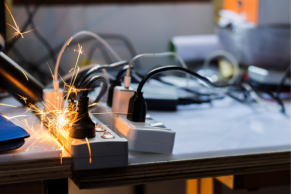
The UK’s wiring regulations and related standards are regularly reviewed to reflect real-world data, emerging risks, and lessons learned from incidents. These updates are not about adding complexity for its own sake. They are about reducing fire risk, preventing electric shock, and ensuring electrical systems remain safe and reliable over their working life.
As a result, compliance is increasingly focused on how an installation is actually used, rather than whether it simply meets a historic standard.
Why 2026 Is a Key Year for Electrical Compliance
Many regulatory updates introduced over recent years are now fully embedded across the industry. Grace periods have ended, expectations are clearer, and enforcement is more consistent.
This matters because electrical work carried out today must comply with current standards, not those that applied when a building was first constructed. For older homes and commercial properties, this creates a growing gap between what exists and what is now considered safe and acceptable practice.
In practical terms, changes to a property often trigger wider compliance considerations. Adding new electrical loads, altering how a building is used, or upgrading existing systems can all bring parts of an installation under closer scrutiny.
The focus has shifted towards informed assessment and forward planning. Understanding current requirements early helps reduce disruption, manage cost, and avoid safety risks later on.
A High-Level View of the Most Relevant Regulation Areas
Rather than a single headline change, the regulatory landscape in 2026 reflects a series of connected updates across several areas.
Wiring regulations now place greater emphasis on risk assessment, system design, and protection against fire and electric shock. Installations are expected to be appropriate not just for current use, but for foreseeable demand.
There is increased scrutiny around how higher-load systems are integrated into existing infrastructure, particularly where electrical demand has grown over time. Expectations around inspection, testing, and documentation have also tightened, with certification playing a central role in demonstrating compliance and managing risk.
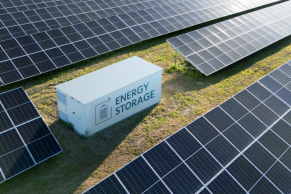
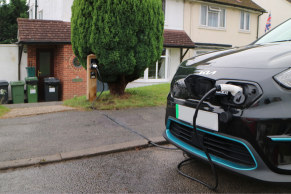
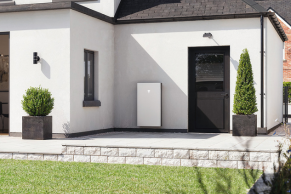
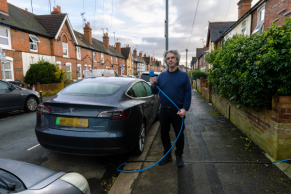
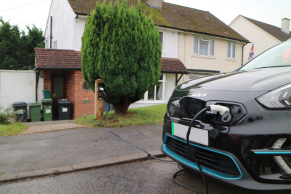
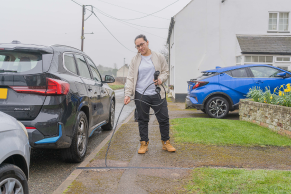
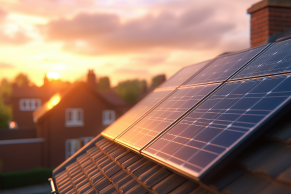
Low-carbon technologies such as EV charging, solar panels, and battery storage are another key driver of regulatory change. These systems introduce new considerations around load management, fault protection, and safe isolation, all of which are now reflected in current standards.
Each of these areas is explored in more detail in our follow-up articles, which focus on specific requirements and practical implications.
Staying Compliant In 2026
Electrical compliance in 2026 is not about ticking boxes. It is about ensuring systems are safe, reliable, and suited to how buildings are actually used.
Staying compliant starts with understanding current regulations and recognising when existing installations may no longer be adequate. It also means taking a considered approach to upgrades and new technologies, rather than treating them as isolated additions.
At Voltari, we support homeowners and businesses by translating regulations into clear, practical advice. From assessment and design through to installation, testing, and certification, our focus is on compliance that works in the real world.
Electrical regulations will continue to evolve, but well-designed, well-installed systems remain the foundation of electrical safety. Understanding what has changed, and why it matters, is the first step in staying ahead.
our Articles
Stay informed with our latest articles, including our professional insights, industry trends and developments, and practical tips.
Check out our articles below and stay clued up with Voltari’s ongoing commitment to a sustainable future.
.png)
.png)
.png)

.png)


































Contact Us
For more information about any of our services, to talk through your requirements or to get a quote, get in touch - we'd love to hear from you!




%20(1)%20(1)%20(1)%20(1)%20(1)%20(1)%20(1)%20(1)%20(1)%20(1).png)
