EV Charging, Solar and Battery Storage: Electrical Regulations You Need to Know in 2026
EV, solar and battery installs must meet strict 2026 electrical safety standards.
.jpg)

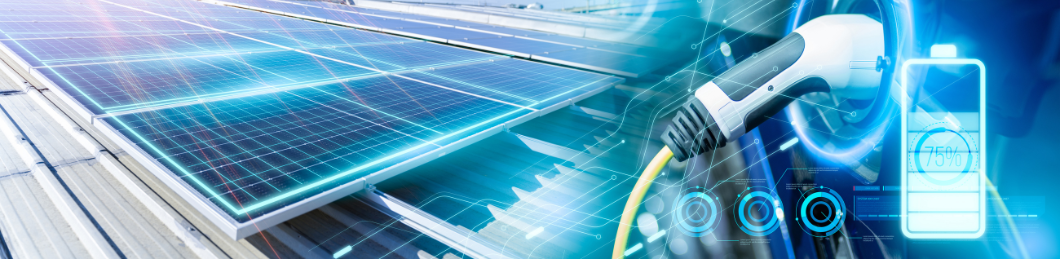
Low-carbon technologies are now a routine part of how homes and businesses use electricity. EV charge points, solar panels, and battery storage systems are no longer niche upgrades. They are becoming standard features of modern properties.
With that shift comes greater regulatory focus. In 2026, electrical standards place clear expectations on how these technologies are designed, installed, and integrated into existing systems. The key question for property owners is not just what you want to install, but whether your electrical infrastructure can safely support it.
This article looks at the main regulatory considerations and why assessment and system design matter more than ever.
EV Charge Point Installation Requirements
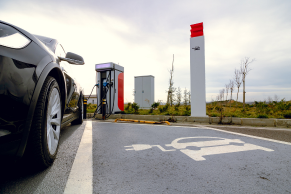
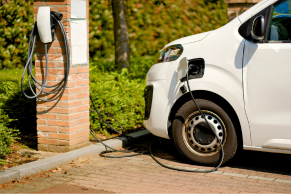
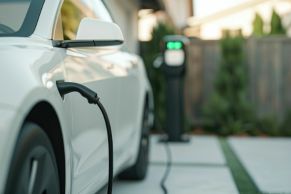
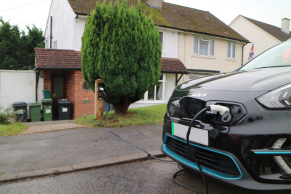
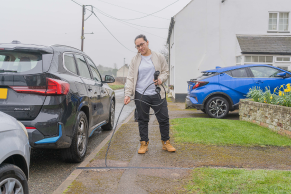
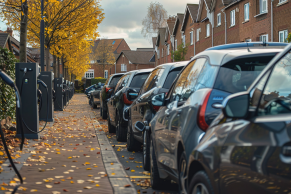
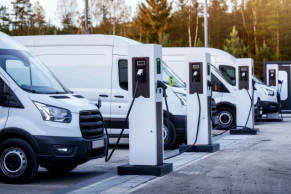
EV charging places a sustained electrical load on a property. Unlike many appliances, chargers often run for long periods and at relatively high power levels. Regulations now reflect this reality.
Current standards place strong emphasis on electrical safety, fault protection, and load management. EV charge points must be installed in a way that does not overload existing circuits or compromise wider system safety.
There is also closer scrutiny around earthing arrangements and how chargers interact with the rest of the installation. In older properties, existing earthing systems may not be suitable without modification.
In practice, this means EV charging installations should always begin with an assessment of the existing electrical supply and distribution. Treating a charger as a simple add-on can introduce serious safety risks and lead to non-compliance.
Solar Panels and Battery Storage Regulations
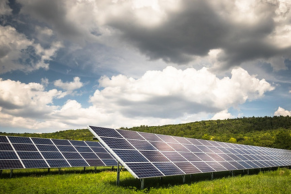
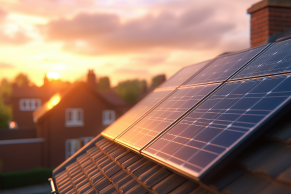
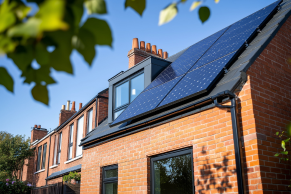
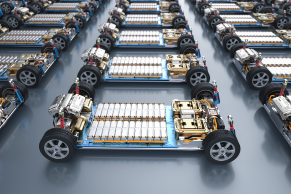
Solar panels and battery storage systems change how electricity flows through a building. Instead of power only being drawn from the grid, energy is generated, stored, and redistributed on-site.
Regulations reflect this added complexity. There are clear expectations around safe isolation, fault protection, and coordination between systems. Battery storage, in particular, introduces additional considerations around fire risk, location, and ventilation.
Standards also place greater emphasis on how systems are documented and labelled. Clear identification of generation and storage equipment is essential for safe operation, maintenance, and emergency response.
For both domestic and commercial installations, compliance depends on how well these systems are integrated with existing electrical infrastructure, not just on the quality of the equipment used.
System Design, Load Management, and Future Capacity
One of the strongest regulatory themes in 2026 is the importance of system design.
EV charging, solar, and battery storage all affect overall electrical demand and behaviour. Without proper load management, these technologies can push systems beyond their intended limits.
Designing installations with realistic usage patterns in mind helps avoid issues later. It also allows for sensible tolerance for future capacity, reducing the likelihood of disruptive upgrades as demand grows.
This applies across homes, workplaces, and multi-occupancy buildings, where shared infrastructure often adds another layer of complexity.
The Risks of Retrofitting Without Assessment
Retrofitting low-carbon technologies without proper assessment is one of the most common causes of compliance issues.
Adding new systems to an already stretched electrical installation can increase fire risk, reduce reliability, and lead to costly remedial work. In commercial settings, it can also raise questions around duty of care and insurance.
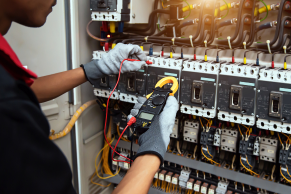
Regulations now make it clear that assessment is not optional. Understanding the condition, capacity, and limitations of an existing installation is a critical first step before any low-carbon upgrade.
What This Means for Your Property
The question in 2026 is not whether EV charging, solar panels, or battery storage are viable. It is whether your property is electrically prepared for them.
At Voltari, we support homeowners and businesses with EV charging, solar panels, battery storage, and system assessments that align with current regulations and real-world use. Our focus is on safe integration, clear compliance, and installations that work as intended.
Low-carbon technologies offer clear benefits, but only when they are supported by electrical systems designed to handle them safely. Understanding the regulations that apply is the first step in getting it right.
our Articles
Stay informed with our latest articles, including our professional insights, industry trends and developments, and practical tips.
Check out our articles below and stay clued up with Voltari’s ongoing commitment to a sustainable future.
.png)
.png)
.png)

.png)
























Contact Us
For more information about any of our services, to talk through your requirements or to get a quote, get in touch - we'd love to hear from you!




%20(1)%20(1)%20(1)%20(1)%20(1)%20(1)%20(1)%20(1)%20(1)%20(1).png)
