Electrical Safety and Compliance in 2026: Wiring, Fire Protection and Testing
2026 rules focus on wiring safety, fire protection, and clear electrical testing.

.jpg)

Electrical safety is rarely top of mind until something goes wrong. A fault, a fire risk, or a failed inspection often brings existing issues into focus. In 2026, electrical compliance places far greater emphasis on prevention, documentation, and understanding how buildings are actually used.
For landlords, facilities managers, and commercial decision-makers, this means taking a closer look at existing electrical systems, not just new installations. This article focuses on the core areas that matter most today: wiring standards, fire protection, and inspection and testing.
Updates to BS 7671 Wiring Regulations
BS 7671, also known as the IET Wiring Regulations, continues to underpin all electrical installation work in the UK. Its most recent updates are now fully embedded and reflected in day-to-day compliance expectations.
One of the key shifts is a stronger focus on risk-based design. Electrical installations are no longer assessed purely on whether they meet a minimum technical requirement, but on whether they are suitable for how the building is used. This includes considering load demand, environmental conditions, and foreseeable changes.
For existing buildings, this is particularly important. Systems that were compliant when installed may no longer be appropriate if electrical demand has increased or layouts have changed. Additions such as new equipment, extensions, or changes in occupancy can all expose limitations in older wiring.
In practice, this means wiring condition, capacity, and protection arrangements are under greater scrutiny, especially in commercial and multi-occupancy settings.
Fire Safety and Protective Devices
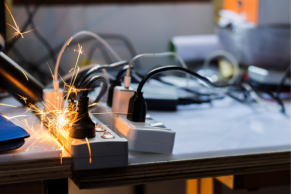
Fire safety remains one of the strongest drivers behind recent regulatory changes. Electrical faults continue to be a leading cause of building fires, and regulations increasingly reflect the need for early detection and protection.
Protective devices such as residual current devices and arc fault detection devices are now expected in a wider range of scenarios. These devices are designed to identify dangerous conditions, such as earth faults or arcing, and disconnect circuits before they escalate into serious incidents.
While not every building requires the same level of protection, higher-risk environments, older installations, and buildings with increased electrical loads are subject to closer assessment. Consumer units and distribution boards that lack modern protection may no longer meet current expectations.
For landlords and businesses, this reinforces the importance of understanding whether existing protective measures remain appropriate, rather than assuming compliance based on age alone.
Inspection, Testing, and Certification Standards
Inspection and testing play a central role in electrical compliance in 2026. Electrical Installation Condition Reports are no longer viewed as a box-ticking exercise. They are a key tool for identifying safety issues, planning remedial work, and demonstrating due diligence.
In commercial environments, EICRs are increasingly important for insurers, managing agents, and duty holders. Clear documentation provides evidence that electrical systems are being maintained responsibly and that risks are being actively managed.
There is also greater emphasis on competence and traceability. Electrical work must be carried out by qualified professionals, and records must clearly show what has been inspected, tested, and certified. Poor documentation can create as much risk as poor installation.
What This Means for Homes and Businesses
For homeowners, the main concern is whether existing wiring and protection still reflect how the home is used today. Older properties, in particular, may not have been designed for modern electrical demand. An EICR can provide clarity and help prioritise any necessary upgrades.
For businesses and landlords, the stakes are higher. Electrical compliance is a safety responsibility and a governance issue. Increased usage, extended operating hours, and multiple occupants all increase risk if systems are not properly assessed and maintained.
Upgrades, rewires, or changes to building use should always trigger a review of electrical safety. Addressing issues early helps reduce disruption, manage costs, and avoid enforcement or insurance complications.
Staying On Top of Electrical Safety in 2026
Electrical safety in 2026 is about understanding risk, not reacting to failure. Regular inspection, informed upgrades, and clear documentation form the foundation of compliance.
At Voltari, we support homeowners and businesses with EICRs, commercial electrical services, and electrical upgrades that align with current regulations and real-world use. Our focus is on practical compliance that supports safety, reliability, and long-term confidence.
Knowing what to worry about and when to act is the first step in keeping electrical systems safe and compliant.
our Articles
Stay informed with our latest articles, including our professional insights, industry trends and developments, and practical tips.
Check out our articles below and stay clued up with Voltari’s ongoing commitment to a sustainable future.
.png)
.png)
.png)

.png)






























Contact Us
For more information about any of our services, to talk through your requirements or to get a quote, get in touch - we'd love to hear from you!




%20(1)%20(1)%20(1)%20(1)%20(1)%20(1)%20(1)%20(1)%20(1)%20(1).png)
